SEO Version




INTRODUCTION
VOYAGE OF
DISCOVERIES
WALK LIKE AN
EGYPTIAN
The Pyramids of Giza were never a
discovery, they were always standing on
the hot desert sands of the Sahara.
With an innate knack for everything
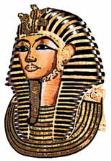
Egyptian, Howard Carter spent over 30
years doing archaeological excavation
in the region before he and his team
discovered the steps leading to the tomb
of King Tutankhamen on 1st November
1922, where the young Pharaoh’s
mummified body was first found, the
first of many mummies to come.
UNCOVERING THE
SECRET ARMY
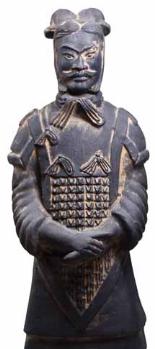
In 1974, while drilling a well, some local
farmers in Xi’an, China, discovered the
head of the first terracotta warrior.
Uncovering the burial site of the first
Emperor of China, Qin Shi’Huang
(259BC – 210BC), who was buried
with over 8,000 full-scale figurines
of warriors, horses, chariots, archers,
PAINTINGS ON
THE WALL
8 year-old Maria led her father,
Marcelino Sanz de Sautuola through
the forest and into a cave to fulfil her
childhood wonderment. What they
discovered is now a national treasure
of Spain.
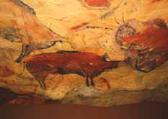
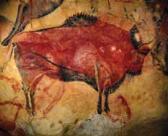
In 1880, one year after its initial
discovery, the Cave Paintings of Altamira
were opened for public viewing. Bold
images of bison and the hands of men,
as well as other mammalian creatures
were depicted on the rocky interior of
the cave. Declared a World Heritage Site
by UNESCO, these early paintings are
proof that our ancestors held the mental
capacity to produce artistic expression.
acrobats, musicians and court officials,
had everything needed to serve, amuse
and defend him in the afterlife.
This discovery is significant to uncovering
the wonders of this period in Chinese
history, where under his rule, China was
unified and underwent major economic
and political reforms, including the
abolishment of centuries old tradition
of feudalism.
02
Powered by FlippingBook Publisher